Camp Is for You Too!
Epsilon Camp tuition includes a Parent Program designed to support parents in nurturing mathematical and social growth in their exceptionally gifted children. Morning and afternoon workshops feature a range of speakers including Epsilon Camp faculty, giving a glimpse of camp curriculum. Other topics include educational planning options and strategies, as well as subjects suggested by parents.
Parents are welcome to work remotely during the sessions. Wi-fi coverage is strong, and there are several comfortable seating areas where parents can work while still participating, or step out to make phone calls when necessary.
The overall camp experience is a wonderful way for parents of profoundly gifted children to connect with other families who have faced similar joys and challenges in parenting and finding appropriate educational opportunities for their children. Many lifelong friendships are formed between parents at Epsilon Camp.
Program Speakers
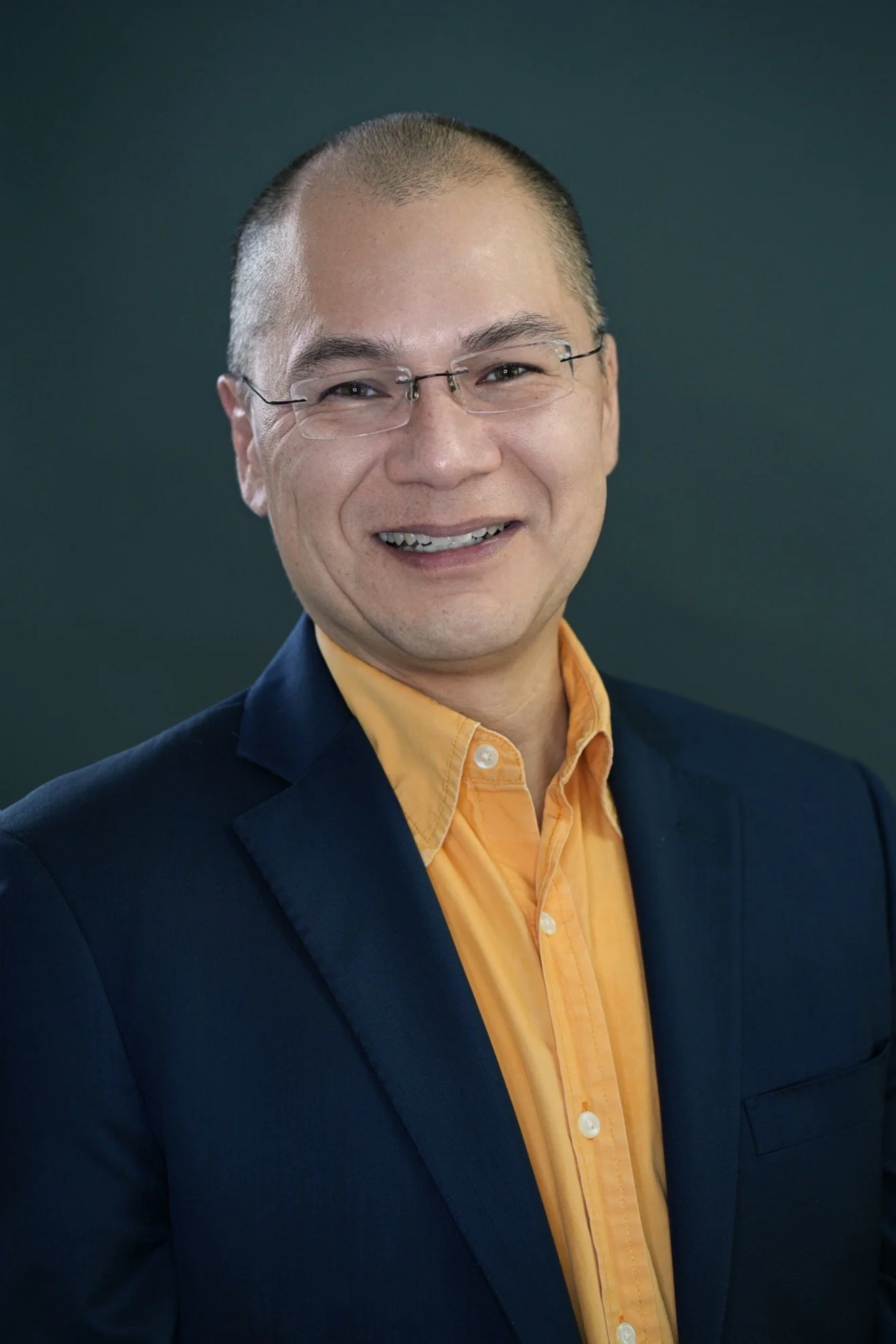
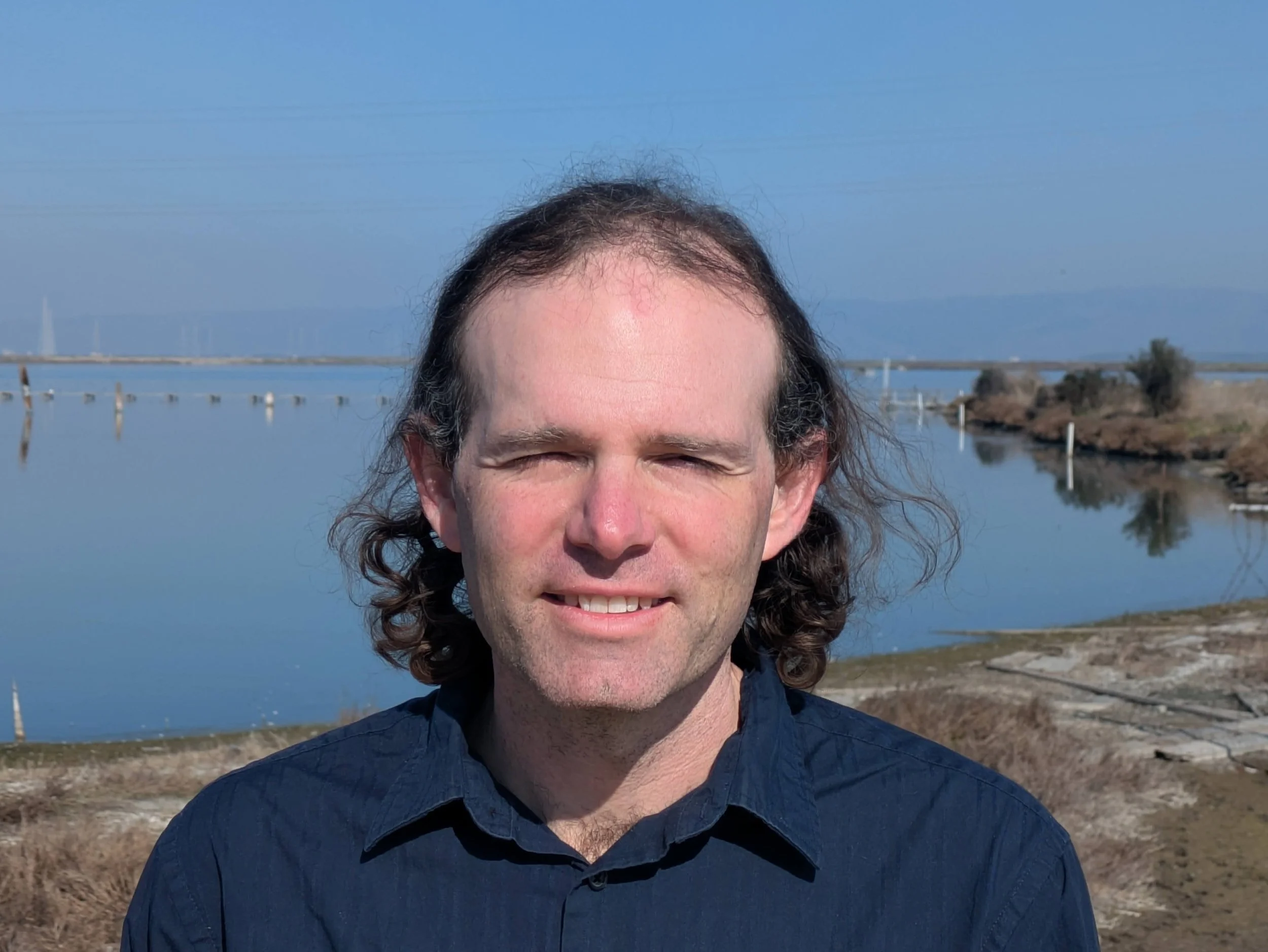
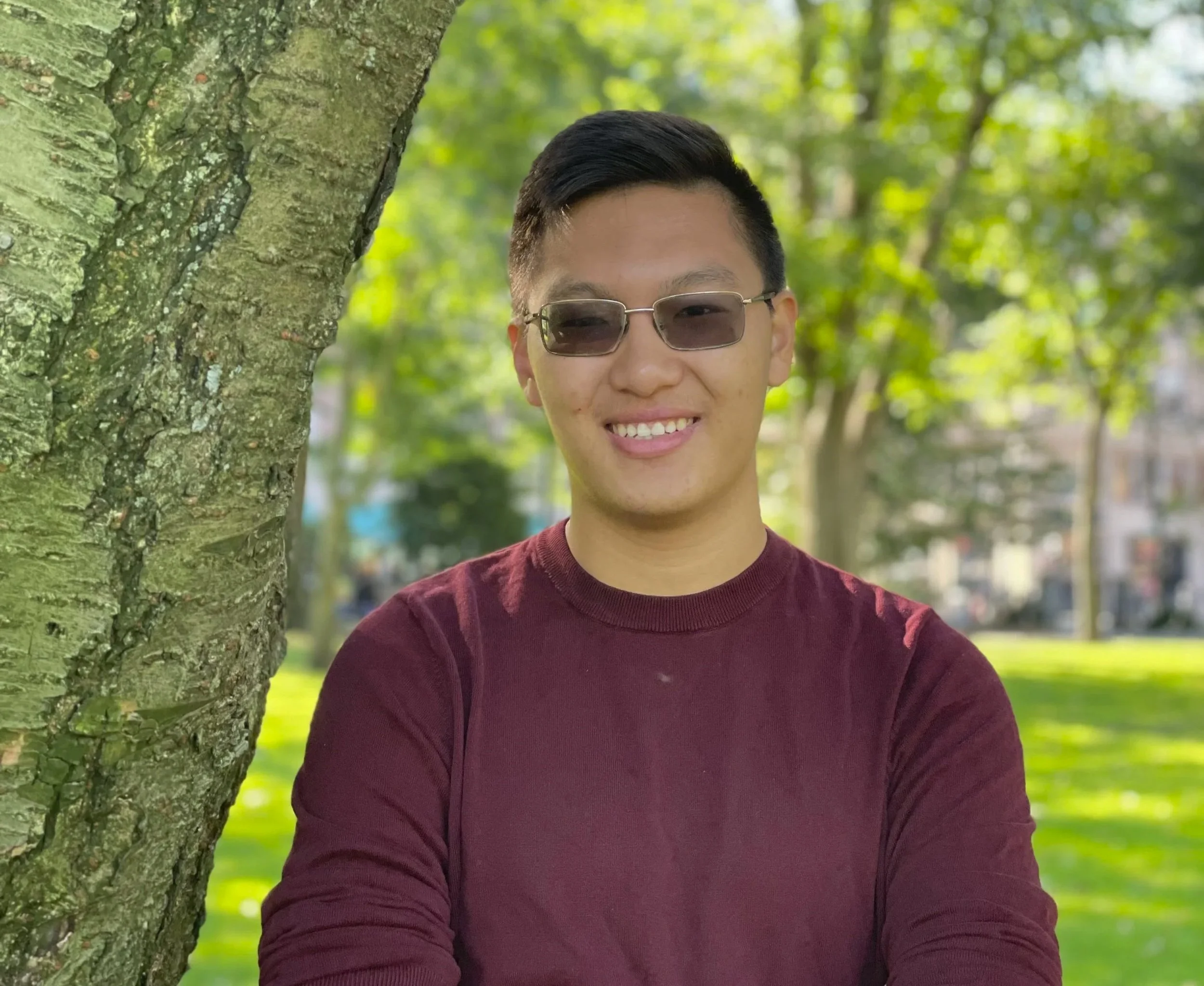
Dr. Dave Kung has worked in the intersection of mathematics and equity at numerous levels over the last three decades. He currently serves as the Executive Director of Transforming Post-Secondary Education in Mathematics (TPSE-Math). Prior to that, he served as the Director of Policy at the Charles A. Dana Center at The University of Texas at Austin. In this role, Kung led the Launch Years Initiative, working with state teams to modernize math options for students across the high school / higher ed transition – and ensure equitable access and success.
Kung directed MAA Project NExT (New Experiences in Teaching), the math community’s premiere professional development program for early-career professors, from 2014 to 2023. He also works closely with K-12 and higher ed organizations, especially concentrating on equity issues in mathematics. Two Great Courses lecture series, on math/music and mind-bending paradoxes, have engaged audiences around the world. He has authored a variety of articles and books on topics in harmonic analysis and mathematics education. Kung was awarded the Deborah and Franklin Tepper Haimo Award, the MAA’s highest award in college math teaching, for his work at St. Mary’s College of Maryland, a public honors college outside Washington, D.C. He resides there, coaching local high school teachers, as well as playing violin and running–never simultaneously, but sometimes alongside his partner and daughter.
Simon Rubinstein-Salzedo is the founder and director of Euler Circle and Kaleidoscope Circles, where he teaches college-level mathematics to high-school students. He received his PhD from Stanford University working in algebraic number theory, and has also done research in combinatorics, algebraic geometry, probability, game theory, and other areas. He has published books on cryptography, algebraic topology, transition to proofs, and ergodic theory. Simon also enjoys chess, music (piano and cello), and calligraphy.
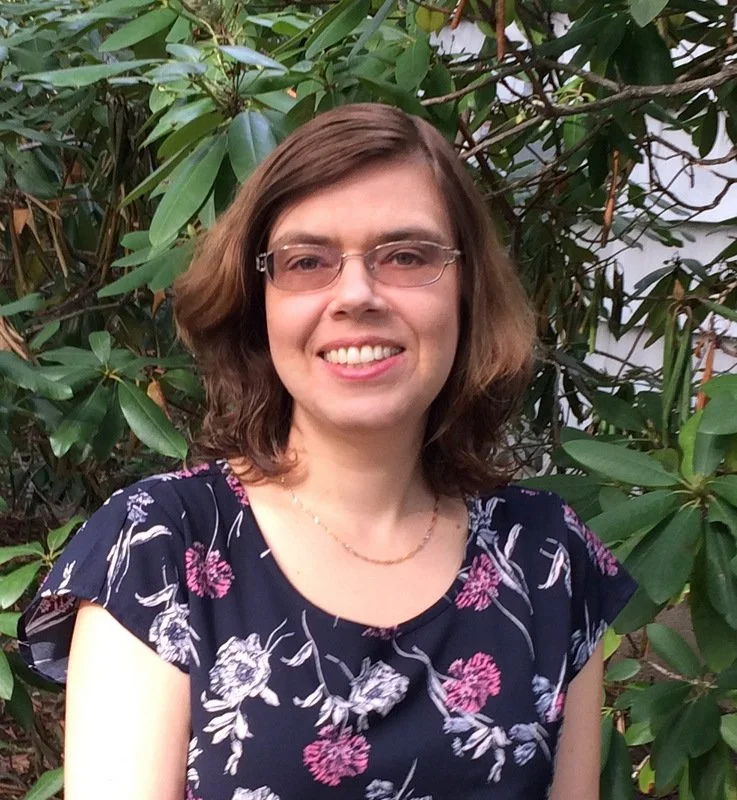
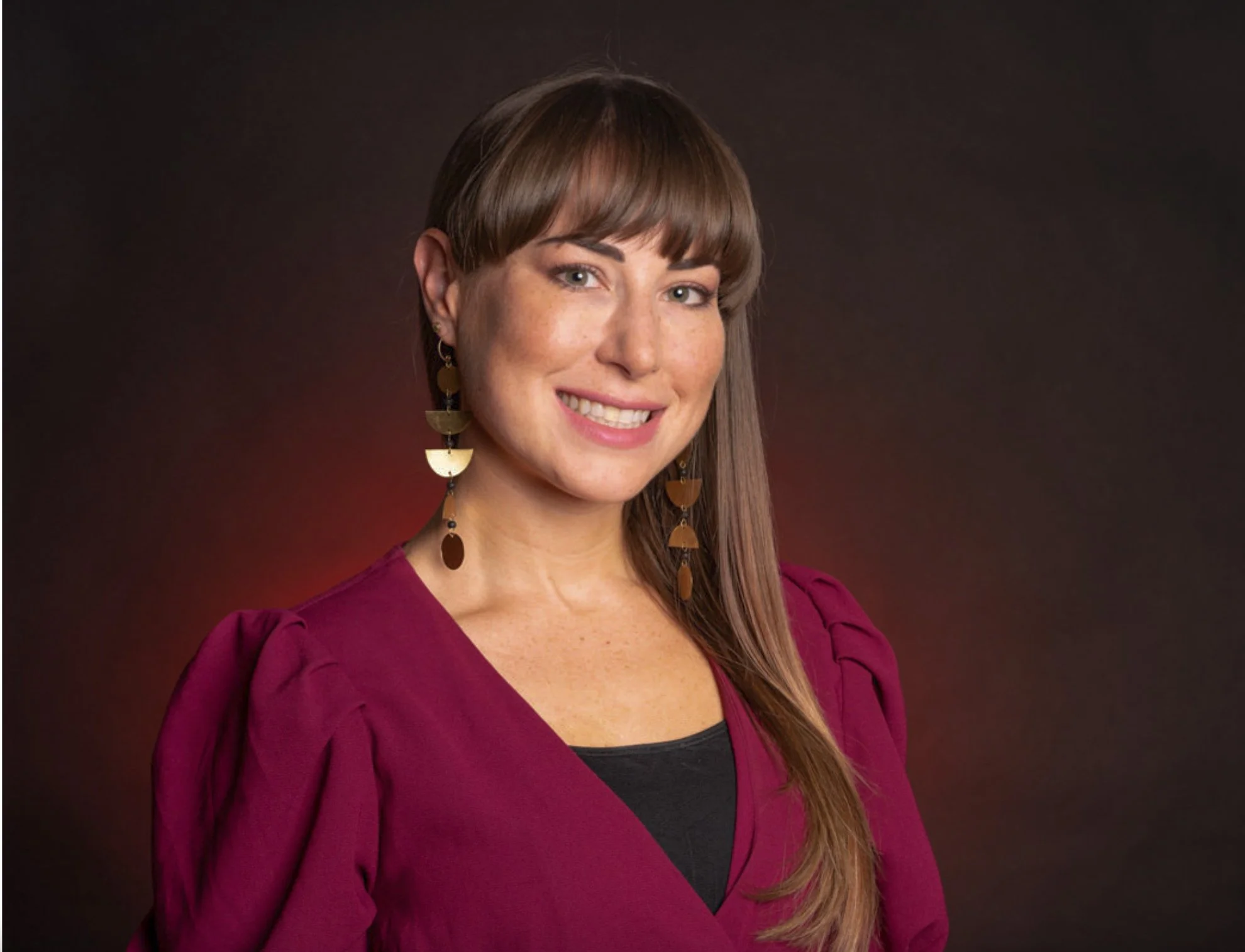
Lena is a researcher at Stony Brook University, a marine and molecular biologist who studies the hidden life of the ocean. She is also an Executive Director of SigmaCamp, a community of mathematicians, scientists, and students brought together by curiosity, friendship, and the joy of thinking together.
For Lena, the joy of science is not only in experiments or discoveries, but in the moment when a question sparks curiosity and invites people into the adventure of figuring things out. She loves being around curious people of all ages who are willing to think hard, ask unexpected questions, and explore ideas together.
Lena is excited to visit Epsilon Camp and share this spirit of scientific play, serious thinking, and joyful community.
Kathy joined AoPS in 2020 and has 15+ years of experience in mathematics and gifted education including coaching MATHCOUNTS teams, facilitating math circles, managing math competitions at UT Dallas, and more.
Passionate about connecting ideas, people, and resources, Kathy has spent her career guiding generations of students and their families to get the most from their educational journeys. Both of Kathy’s sons are AoPS alums who have greatly benefited from the experience.
Erica Kemmerling is an associate professor of mechanical engineering at Tufts University. She holds a BS in physics and an MS and PhD in mechanical engineering from Stanford University. Erica’s focus areas include both fluid mechanics in the human body and engineering education. At Tufts, where she has worked for eleven years, she primarily teaches courses in fluid mechanics, heat transfer, and experimental methods. Erica has recently worked on integrating AI tools into undergraduate-level engineering courses and evaluating the effect of those tools on student learning. She has run workshops for other faculty on how to use these AI tools and ensure that they sufficiently support learning goals. Erica also serves on the Tufts AI Council, Tufts’s central governing body for steering the university’s response to generative AI.
Michael Ma is the Math and Recruiting Ambassador at Hudson River Trading, working to raise interest in math and math enrichment across all age groups. In his youth he participated in many math competitions, including qualifying for the USAMO in 3rd grade and the Math Olympiad Summer Program in 8th grade. Later he worked as a Quantitative Trader at Jane Street before leaving to teach at summer programs and volunteer in New York City. These days he supports the math community in many ways including serving as a board member for the Bridge to Enter Advanced Mathematics in New York City where he resides.
John Rosasco's main passions in life are music and mathematics. For the past 17 years, he's been mentoring gifted learners via his online tutoring academy, Math & Music Studio. With an M.A. in Mathematics from Sacramento State University, John entered the math doctoral program at UC Berkeley, where his focus was geometric topology. During his third year at Berkeley, John was asked to arrange a record project in Nashville, so taking a break from math, he moved to Tennessee and went on to become a successful record producer, songwriter, orchestrator, keyboardist and film composer, with five Grammy nominations to his credit. John believes that anything is possible with diligence and determination and is grateful for the privilege of mentoring gifted students and sharing the intrinsic beauty of music and mathematics.
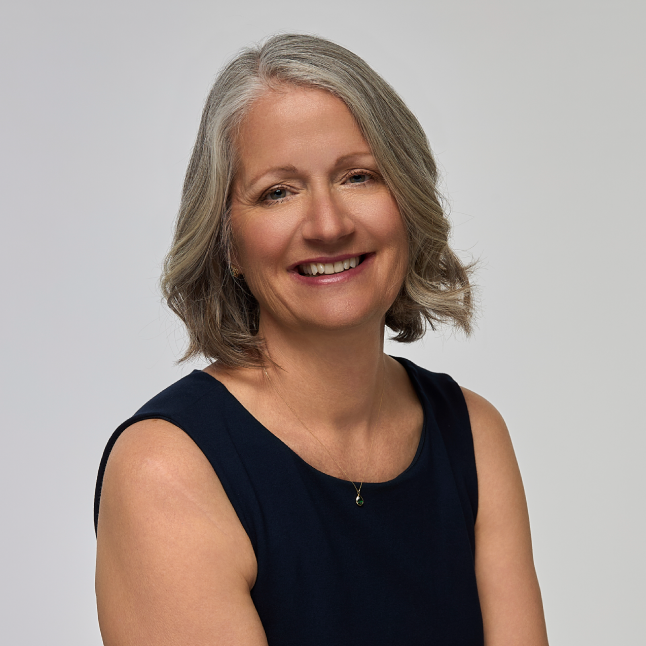
Ashley Sarver is the founder and Head of School at Eclipse Academy, an accredited online school for gifted, profoundly gifted, and twice-exceptional learners ages 8–18. A course designer with a Master's in social science education, Ashley has spent over fifteen years building dynamic coursework in the humanities and arts, partnering with non-profits and venture capital. She was recruited by Bill Gates' think tank bgC3 to help design, accredit, and pilot-teach the Big History Project, an award-winning, inquiry-based course integrating history and science, and by UC Doorways to train educators across California in writing A-G course applications. Ashley believes that all students deserve genuine academic challenge and a full, playful childhood. Outside the classroom, for fun Ashley teaches swing and salsa dance.
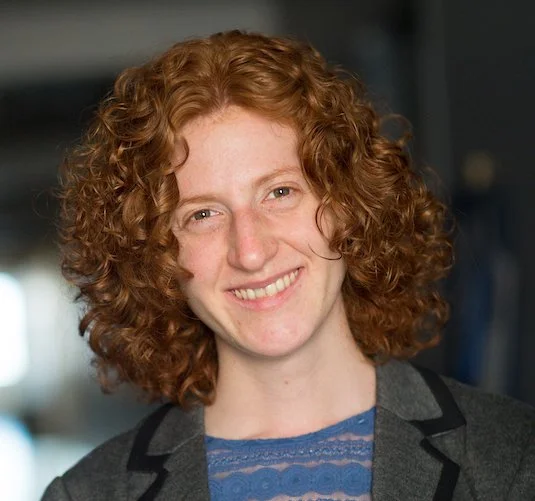
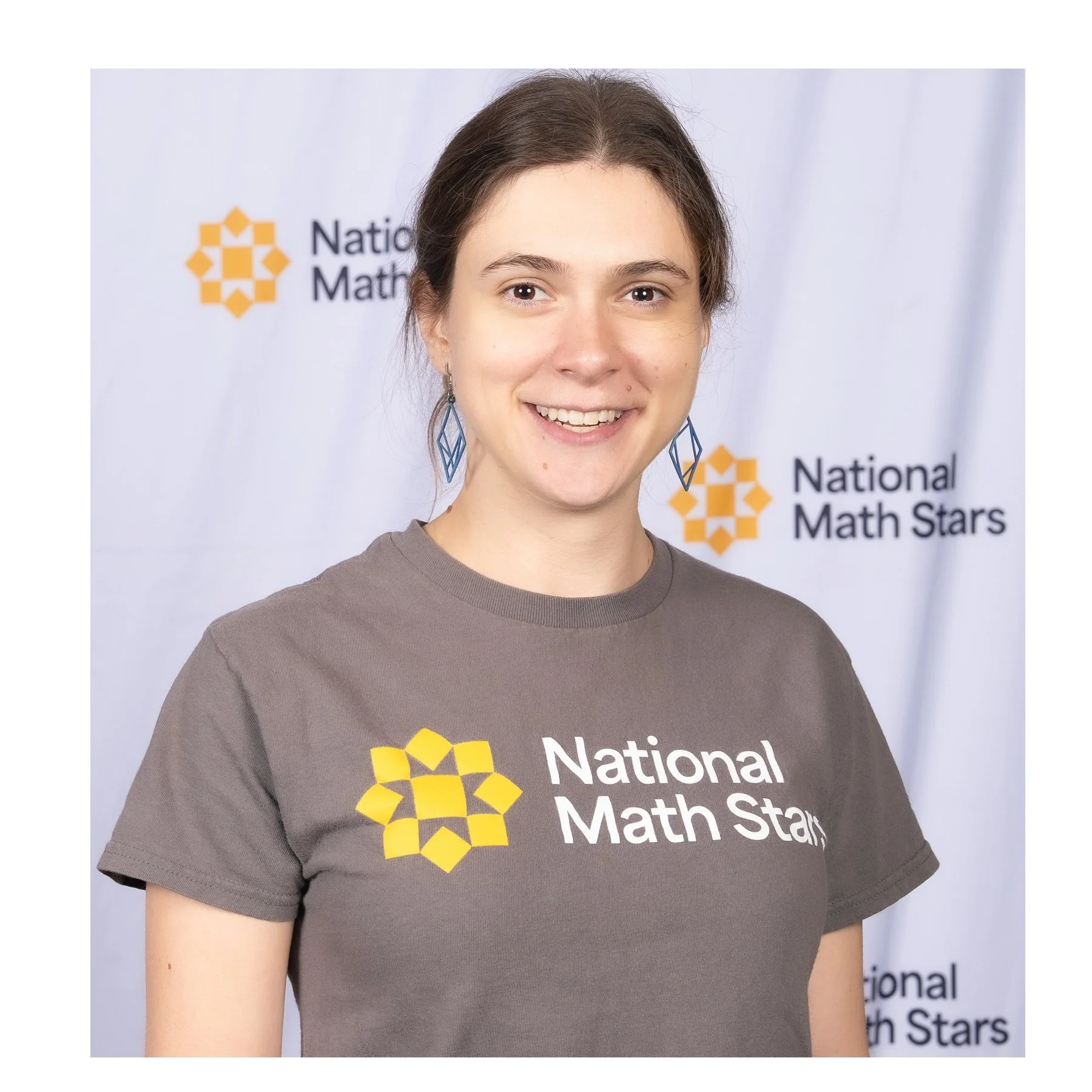
Dr. Sarah Trebat-Leder is the CEO of National Math Camps and Academic Director for Camp Conway. She fell in love with mathematics as a high schooler at HCSSiM, then earned an AB from Princeton and a PhD from Emory, where her research focused on number theory, modular forms, and moonshine. In graduate school, she founded and directed the Emory Math Circle, and she has worked at MathPath, PROMYS, and BEAM. After her PhD, Sarah spent six years at Art of Problem Solving.
She lives in Rochester, NY with her husband, James, and in her free time enjoys karate, board games, and building with LEGO bricks.
“I appreciated how well the knowledge base and experiences of the parent body were integrated into the parent program . . . so that parents were able to share their expertise and experiences with each other. I really value much of what I learned from others this year . . . the professor talks, parent discussions, outside experts, etc. . . . I never regretted attending a session.”